
Turn delivery into a repeatable stream of water
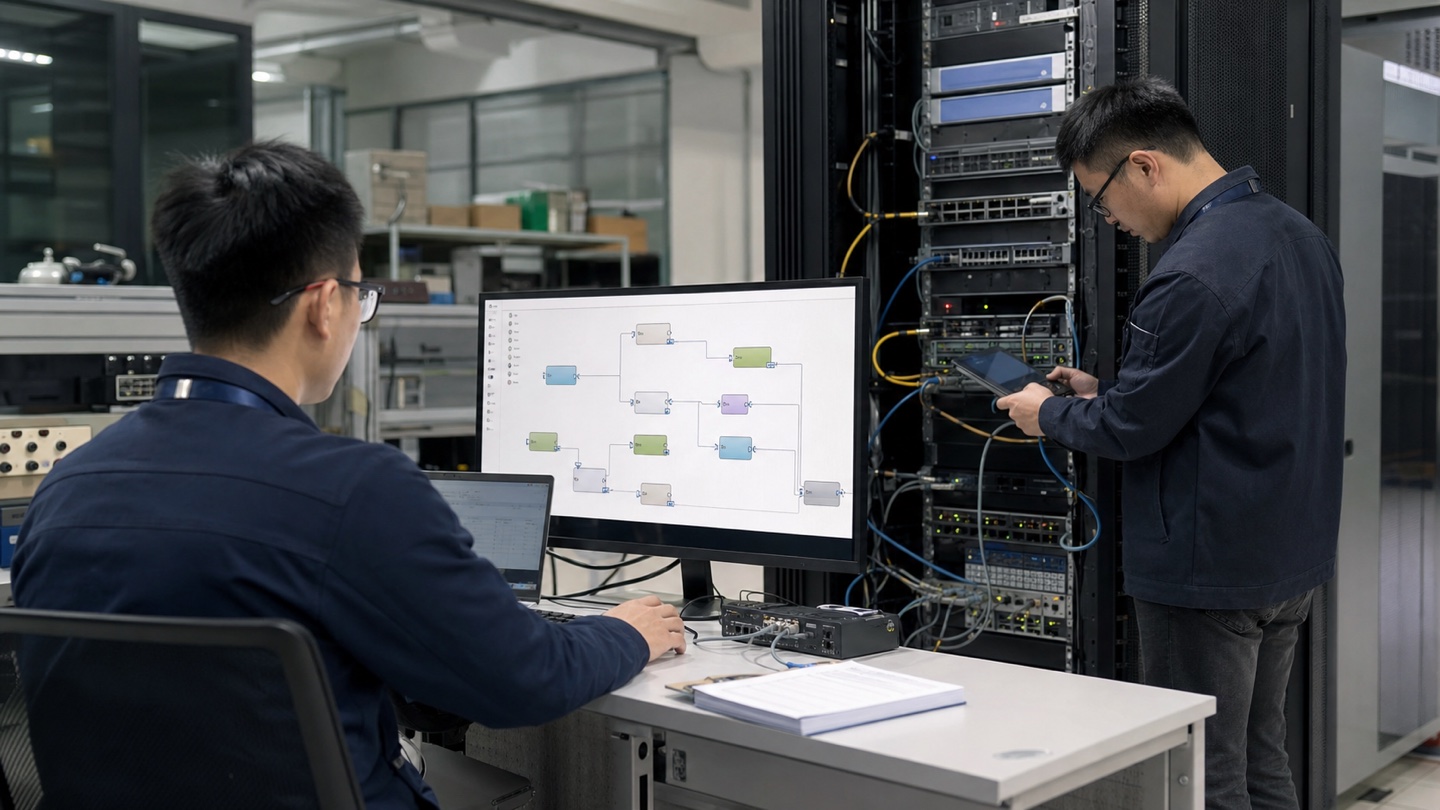
The automatic implementation of codification, inspection, testing, construction and deployment of products after code submission reduces environmental differences and manual errors. Each change is recorded consistently, and it is easier to locate problems and roll back.
The flow line should start with high frequency, stabilization steps, gradually expanding coverage rather than initially pursuing complex platforms.
Make quality feedback happen earlier
The earlier problems are detected by the unit tests, interface tests, static scans and code reviews, the lower the cost of repairing them. The focus of the testing should be on core business rules, key interfaces and historical high-risk modules.
Quality door closures require reasonable thresholds to deter high-risk changes and avoid teams preparing valueless tests for indicators.
Embedding security checks in the R&D process
The key systems should also include security tests and clearances to enable the risks to be addressed before they go online.
The role of the security team has shifted from end-of-pipe audit to providing rules, tools and advice, and sharing risks with R & D.
Use observable to form an upline feedback loop
The greyscale release and feature switches control the range of change impacts.
When delivery frequency, change failure rate, recovery time and demand cycle are measured on a continuous basis, enterprises can truly improve R&D effectiveness.
- Small, frequent and roll-back release
- Automate duplicate quality and safety checks
- Use of production feedback to drive the next round of improvements
Change DevSecOps from reading conclusions to project input
The most likely problem after reading methodological articles is the acceptance of principles, which are not translated into the next step. It is proposed that the head of operations organize a 60-90-minute mini-workshop, choosing only one real process and not rushing to discuss the full platform.
Step 1: Establishment of a current status and sample baseline
The data are available for one to two weeks in a row, but the sample cycle and operational fluctuations are indicated. Do not set a good rate of savings first, then reverse the data.
Step 2: Clarifying the initial closure and inaction
The first phase is designed to allow a chain to run and be retraceable, rather than stacking the whole of continuous integration, software quality, and R & D effectiveness into the same version.
Step 3: Match technical results to engineering evidence
The structure is designed to verify the size, peaks, availability, recovery times, frequency of distribution and failure data, avoiding the early introduction of complexity beyond the team capacity for advanced technology. The supplier's demonstration should use samples that are confirmed by both parties; undissensitized production data are not available, but idealized testing data cannot be used entirely to replace the actual conditions.
Step 4: Receiving, inspection and disking with the same calibre
Assuming that the original process handles 600 tasks per month, an average of 20 minutes and a return rate of 10 per cent, the target can be stated as “six weeks after the start of the line, with an average reduction of 25 per cent in time, and a return rate of no higher than the original baseline, given the close complexity of the task.” This set only demonstrates the measurement method, and does not represent any client outcome; formal indicators must be identified by the enterprise on the basis of its own sample.
- Operational material: flowchart, role, sample mission, current issues and baseline data
- Technical material: system inventory, interface, data access, deployment environment and security requirements
- Project material: first-phase scope, exclusions, liability matrix, milestones and change mechanisms
- Receiving and inspection material: test set, execution records, list of deficiencies, indicator queries and handover documents
When these materials are identified jointly by both the operational and technical parties, the method in the article is actually entered into the project. If key data, interface authorization or the responsible person are not in place, the logical next step is usually a limited diagnostic or PoC, rather than an immediate commitment to complete the work period and fixed total price.
Implement methodology to project action
- At the heart of automation is the reduction in the number of feedbacks rather than the pursuit of tools
- Quality and safety should be involved early in R&D
- We're measuring speed, stability and resilience.
Continuing to reconcile common issues in project decision-making
How do third party API integrated and multi-system interface development generally offer?
The interface project cannot simply be quoted by the number of interfaces, as the same interface may be simply a query, but may also assume transaction, retest, reconciliation and security responsibility. The cost depends on the quality of the document, the test environment, field conversion, synchronization frequency, unusual compensation, performance and online support. It is recommended that the number of URLs be assessed by business links rather than counting only. The unknown interface can be technically validated and then formally quoted.
View full answerCorporate information selection, integration and data governanceCan the API interface be fully compatible without a file?
Sometimes, but costs, risks and time increase significantly, and no certain connection can be promised. Teams need to confirm whether there is a legal mandate, test environment, logs, sample requests and original support.
View full answerCorporate information selection, integration and data governanceHow do you monitor interface failure and data discrepancies after systems integration?
The interface returns successfully and does not amount to a business process completion, and systems integration must monitor both the technical state and the results of the operation. Each request must have a unique tracking number, recording the source, target, state, time-consuming, retry, and business unit number. Payments, orders, inventory, etc., are also regularly reconciled. Aberrants must be entered into a retried, reimbursable or manual processing queue and not remain in the log.
View full answerContracts, payments, changes and project deliveryWhat information is required for the software project acceptance and inspection?
The objective of the information is to demonstrate that the system meets agreed standards and that the client can continue to operate and take over.
View full answerNeed for further analysis in the context of the current state of the enterprise?
We provide IT technical advice, enterprise information construction, Software Project Outlook, product design, R & D delivery and systems delivery services.