Home / Learning Center / FAQs of enterprise informatization
ENTERPRISE INFORMATIONIZATION SERIES

Enterprise Informationization Common Problems

ZhiHua Tech, which is a video course on enterprise informatization for business managers, covers system planning, process synergy, customer services, operating finance, production supply chains, data security and AI transformation, with 47 common issues.

Who's good for learning?

Each course is independently viewed, with a summary of the page providing a direct judgement, and a detailed page providing diagnostic priorities, action paths and information on the relevant services.

Planning and system selection

Planning and system selection

The first step in the project is to determine what should be done in terms of enterprise size, construction routes, product selection and AI entry points.

8 lessons
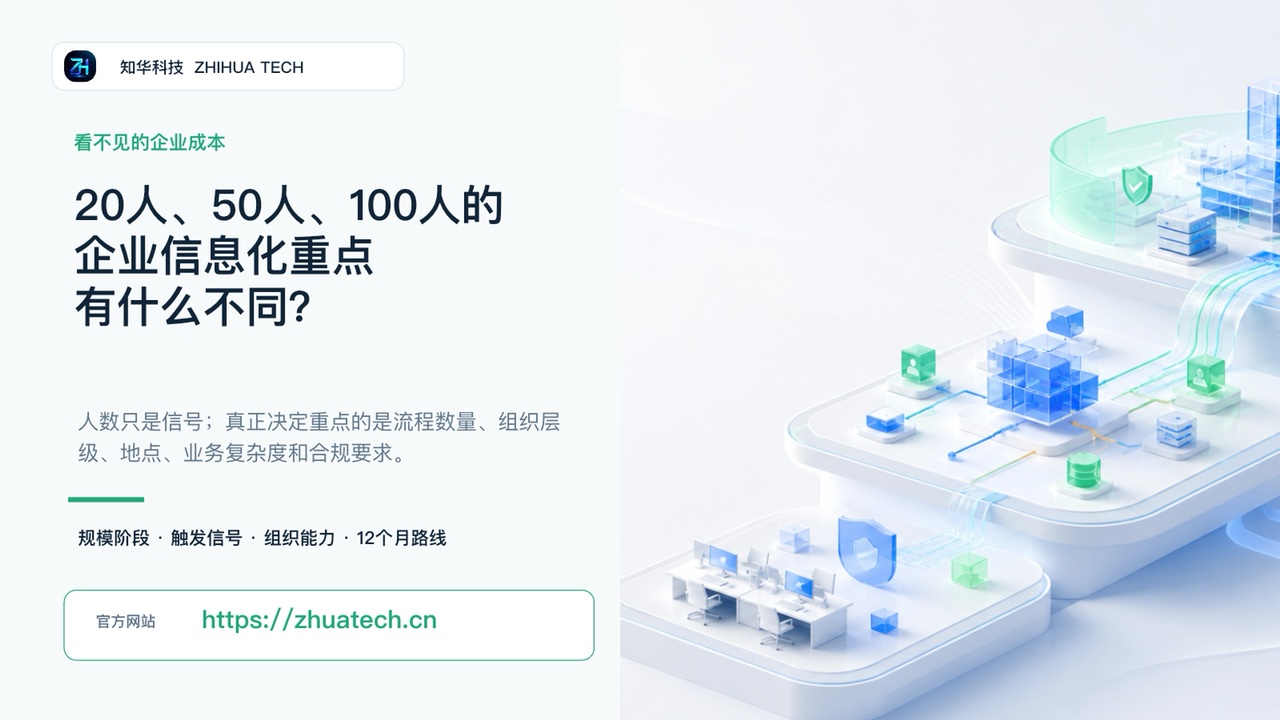
What's the difference between the focus on computerization of businesses for 20, 50 and 100 people? 2 minutes 51 seconds
Planning and system selection

What difference does it make between the focus of 20, 50 and 100 enterprises?

The information focus of enterprises of different sizes is not on the number of systems, but on the steps that have been taken to increase the complexity of management. Twenty-person teams first resolve the client, order and financial base records, 50 people focus on the cross-post process, and 100 people on the harmonization of master data, competencies and business analysis.

Watch videos and see how to solve them
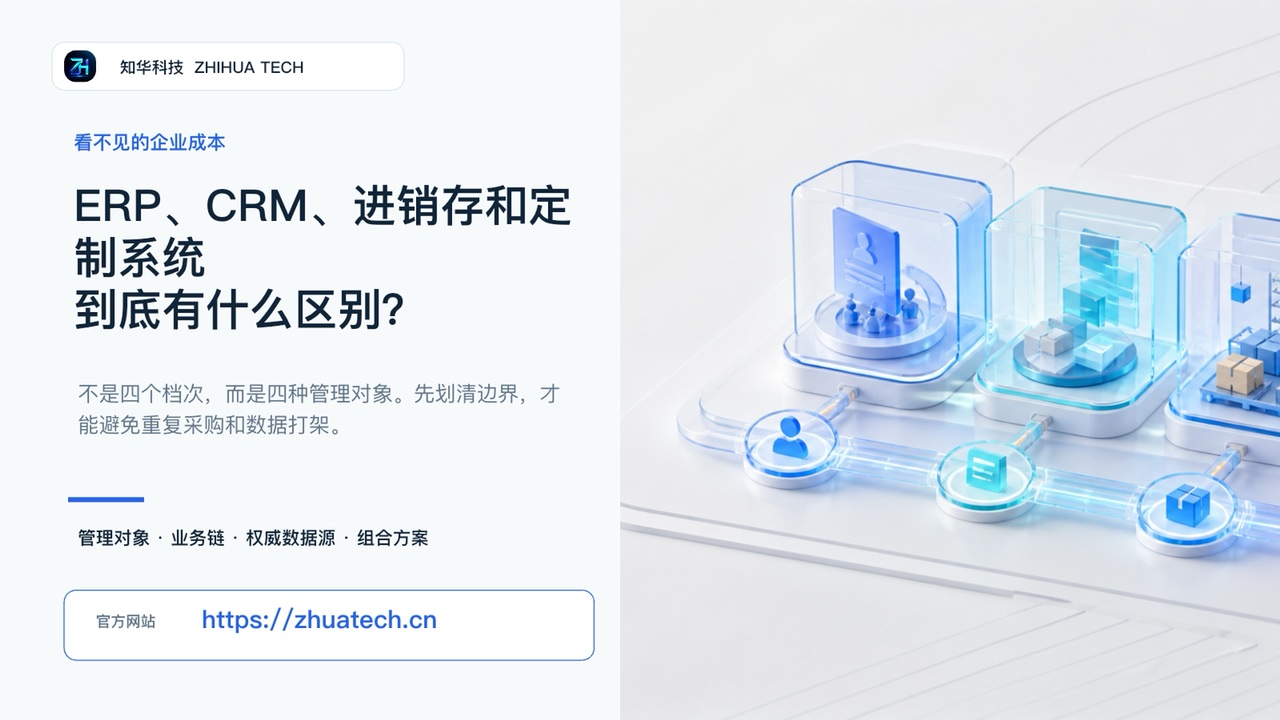
What difference does it make between an ERP, a CRM, a write-off and a custom-made system? 2 minutes 58 seconds
Planning and system selection

What difference does it make between ERP, CRM, write-ups and custom systems?

ERP focuses on the synergy of enterprise resources and financial operations, and CRM manages the customer and sales process, and the sale of the inventory is more focused on procurement, inventory and sales flows. Customized systems are not business-specific categories, but software-based approaches built by enterprise-specific processes.

Watch videos and see how to solve them
Buying standard software or custom development, using these five video covers 2 minutes 46 seconds
Planning and system selection

Buying standard software or custom development, using these five judgements

Standard software is suitable for enterprises with relatively common processes and a desire to move up quickly, and customize development for differential processes, complex integration or productization scenarios. The judgement should compare business differences, configuration capabilities, interfaces, long-term iterative and total costs. The most secure route may also be standard products with the necessary integration, rather than a double.

Watch videos and see how to solve them

Should the enterprise reset the system or access the existing video cover? 2 minutes 40 seconds
Planning and system selection

Should an enterprise reset its system or access the existing one?

The system is not well used, and may not necessarily need to be re-engineered, but rather duplicated, missing interfaces or ageing local modules. Re-adaptation is appropriate to the situation where core structures and maintenance capacity are no longer able to support operations, and integration is appropriate to the situation where the system's main body is still available but is broken.

Watch videos and see how to solve them
If you want to use AI, you should start with the model or change the video cover of the process. 2 minutes 31 seconds
Planning and system selection

If an enterprise wants to use AI, should it start with the model or change the process?

Enterprise AI should start with business tasks and process results, not with the first procurement model. When processes are confused and data are not subject to liability, AI will only magnify inconsistencies. First, it will identify users, input, expected results, manual clearance and system actions, then select models, RAGs, rules or automated routes using real samples.

Watch videos and see how to solve them
Processes, organization and synergy

Processes, organization and synergy

Identify the processes and responsibilities behind approval, scheduling, cross-sectoral waiting, project extensions and system usage.

9 lessons
Clients, sales and services

Clients, sales and services

Improving the life cycle of clients around customer follow-up, client litigation, after-sales movement, sales forecasting and multi-storage standardization.

5 lessons
Operations, finance and costs

Operations, finance and costs

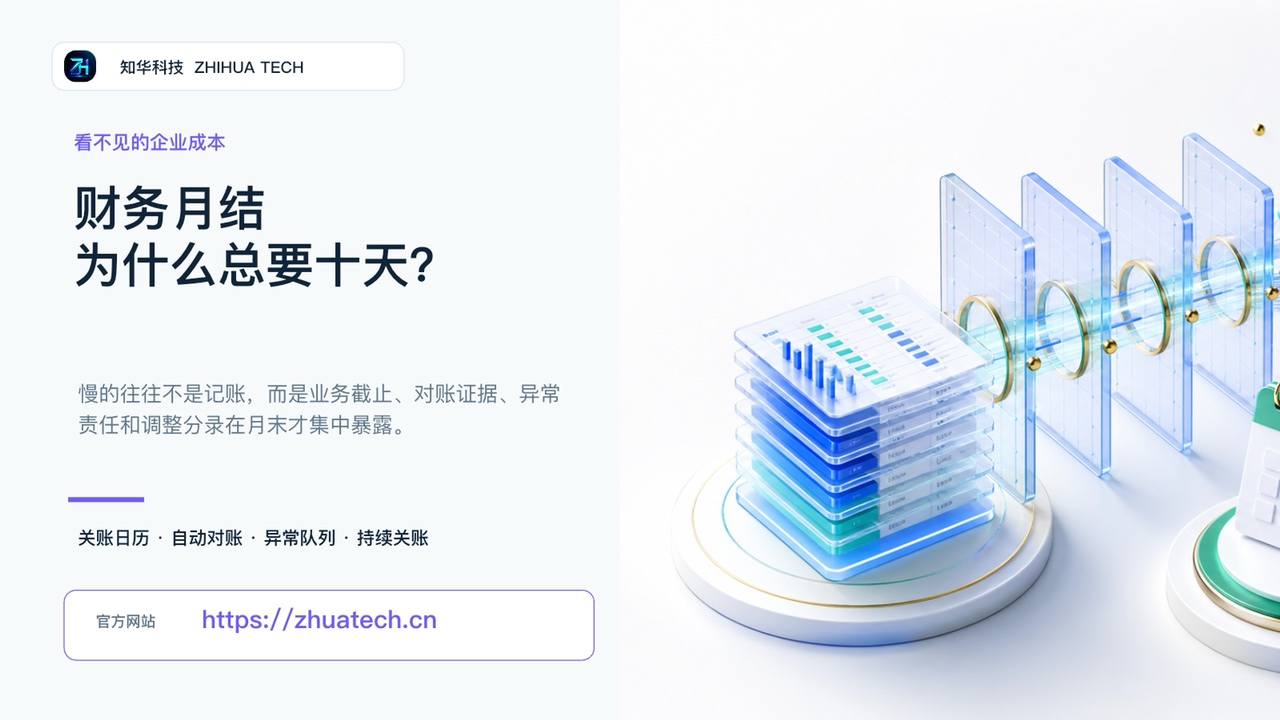
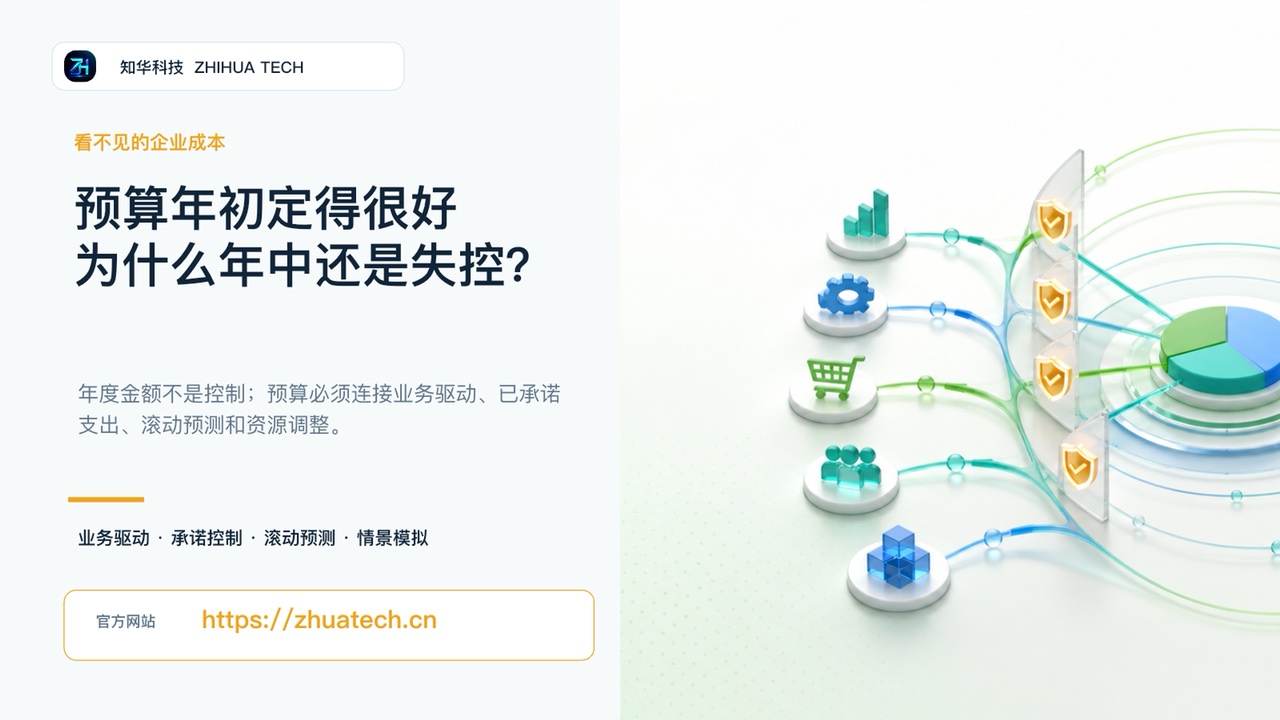
The accounting for the distortion or delay in operating data is seen in cash flow, quotations, receivables, costs, monthly balances, statements and budgets.

8 lessons
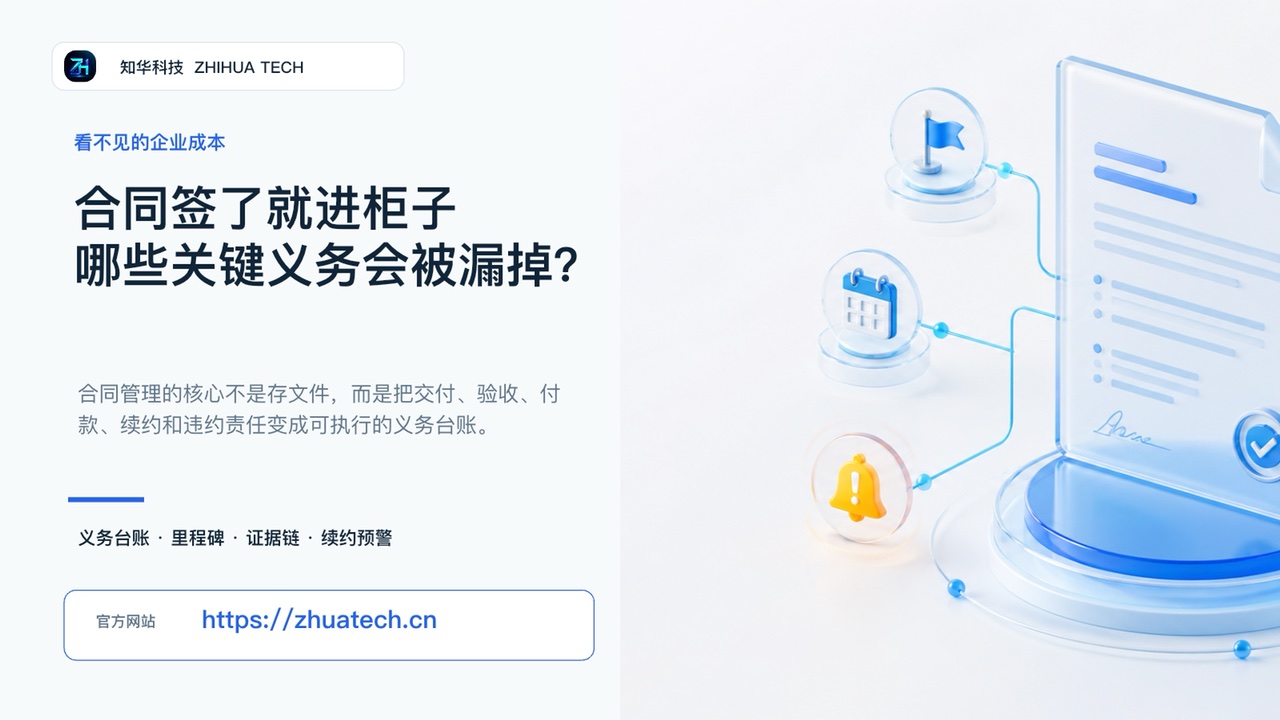
Once the contract is signed, enter the cabinet. The company will miss out on the key mandatory video cover. 2 minutes 37 seconds
Operations, finance and costs

Once the contract is signed, enter the cabinet.

The value of the contract is not merely archived but consists of ongoing obligations such as delivery, acceptance, billing, receipt, renewal, confidentiality and default. Key dates depend on personal memory, which can easily lead to delays or compliance risks. Contract management should translate terms into tasks, reminders, documents and responsible persons and connect to projects and finances.

Watch videos and see how to solve them
Production, supply chain and quality

Production, supply chain and quality

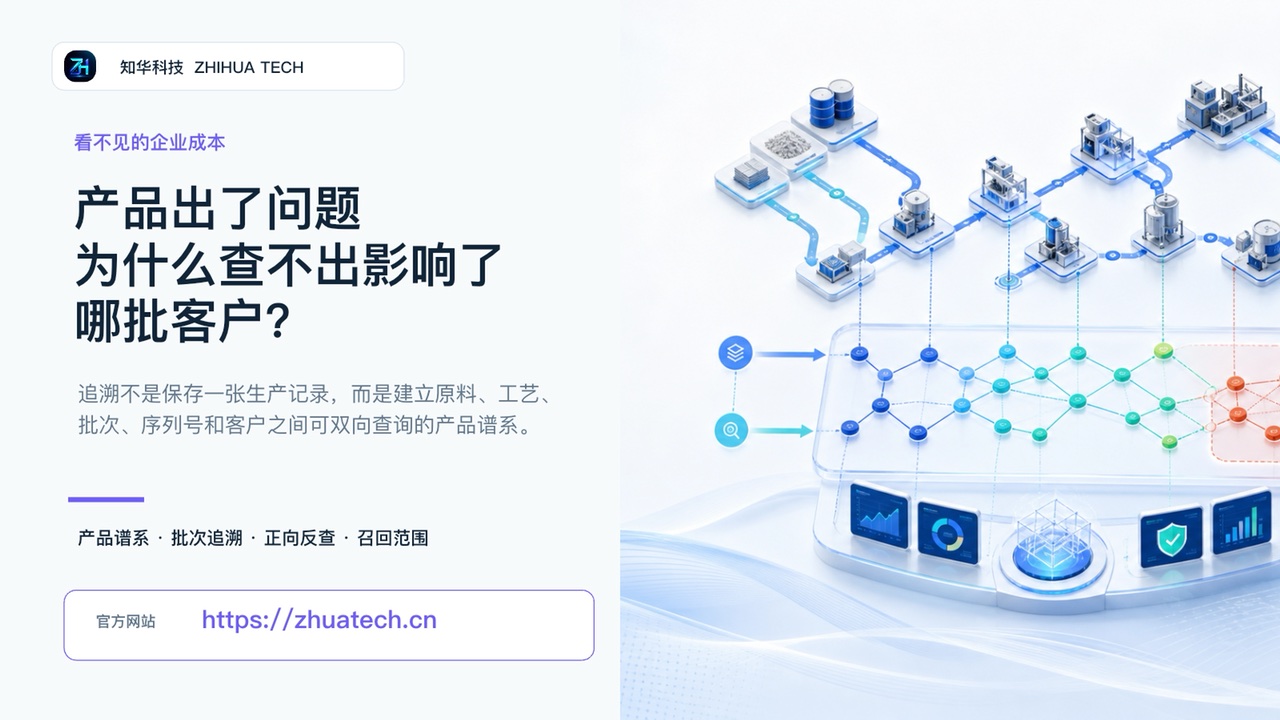
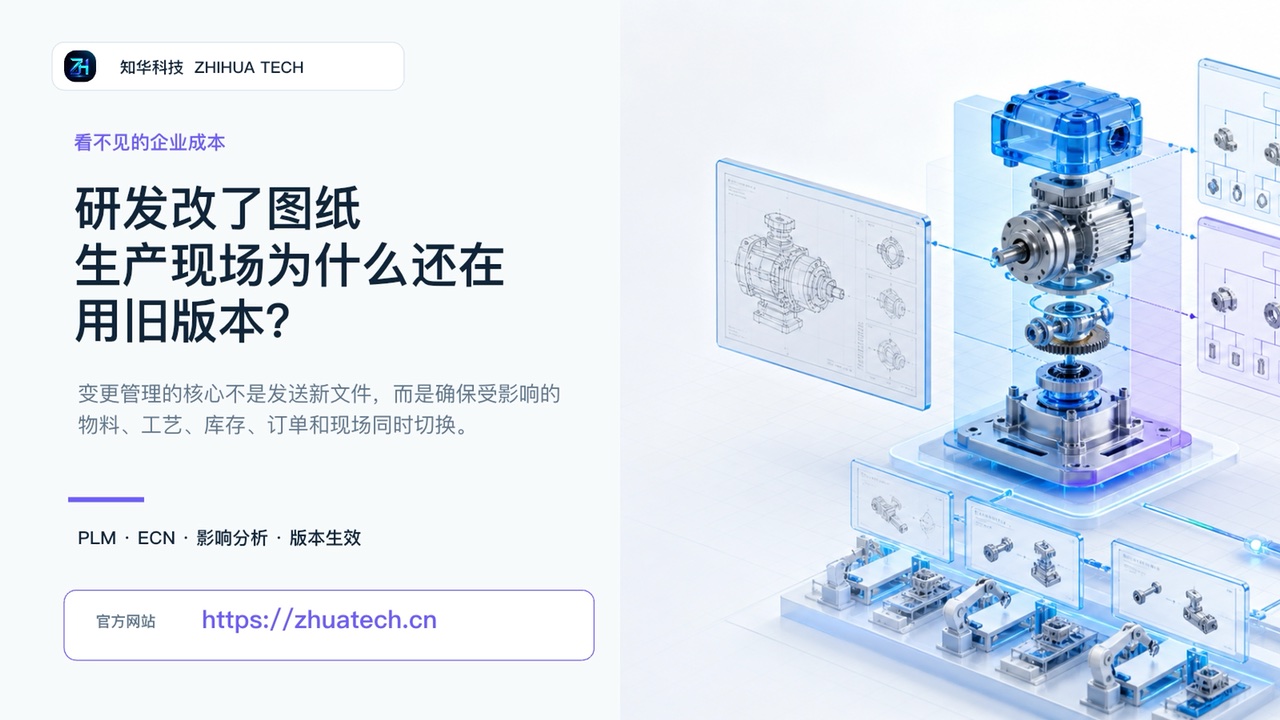
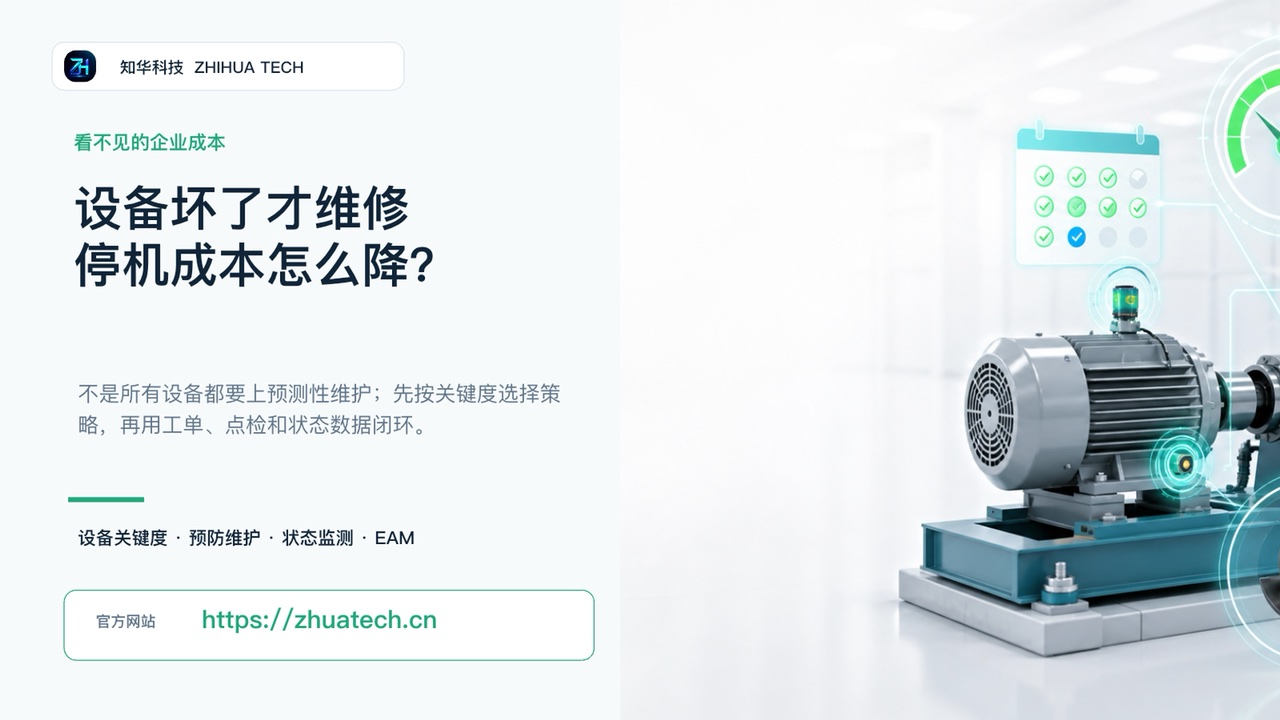
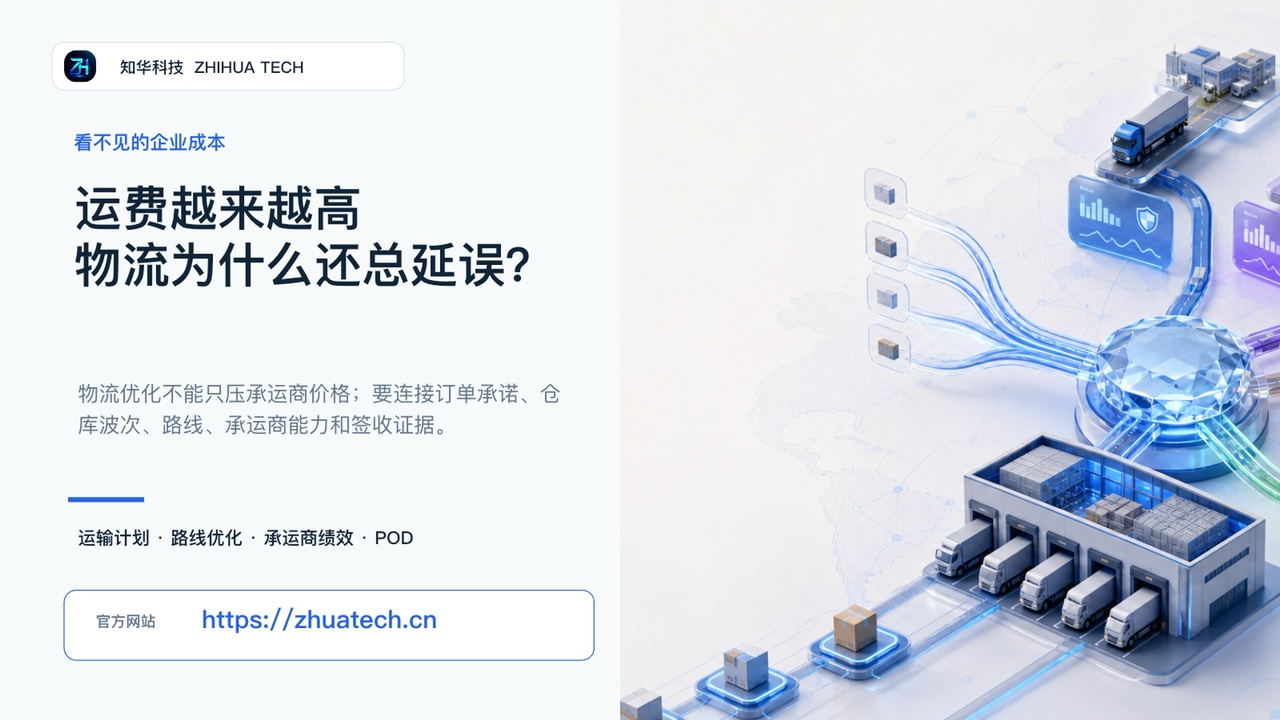
Processing of planned changes, inventory discrepancies, duplicate quality, drawing versions, equipment shutdowns, procurement logistics and batch retroactives.

10 lessons
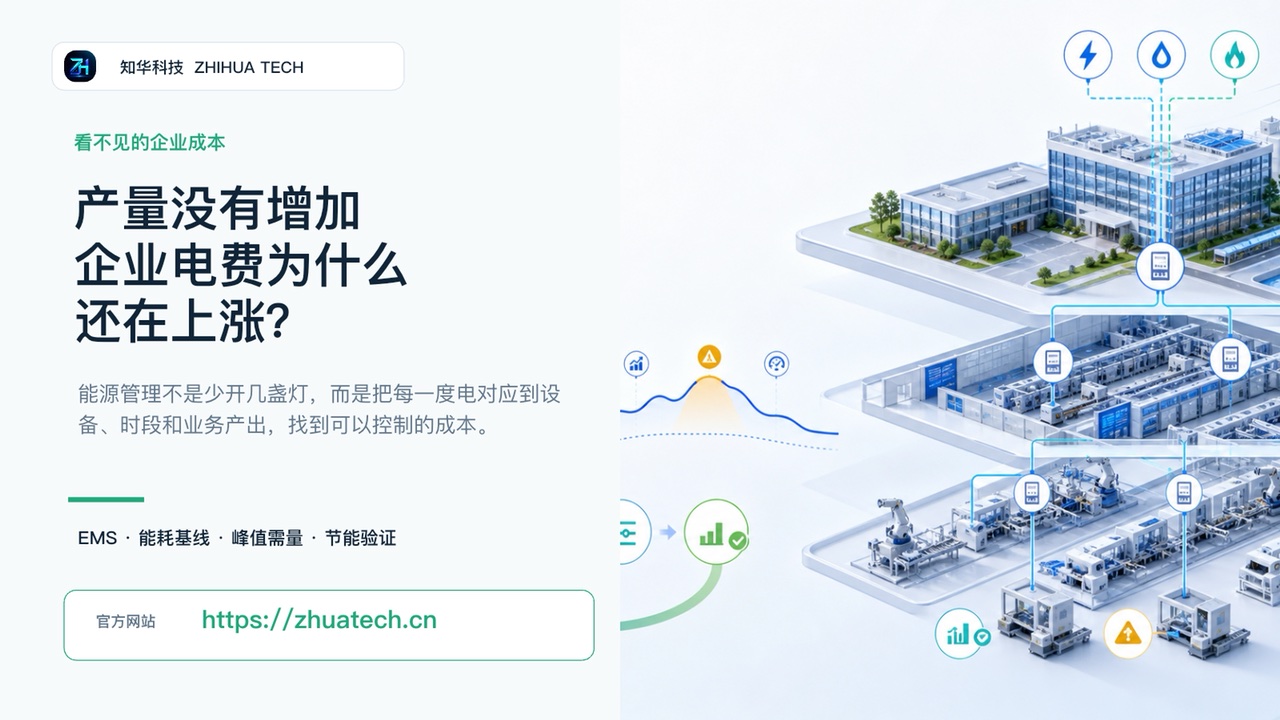
There's no increase in production. Why is the corporate electricity bill still rising on the video cover? 2 minutes 11 seconds
Production, supply chain and quality

There's no increase in production. Why is the corporate electricity bill still rising?

The increase in total electricity costs does not necessarily come from production, and may be related to peak time, equipment passing, compressed air leaks, process parameters and costing. Only aggregate data cannot locate the liability chain. Energy data need to be linked to equipment, shifts, worksheets and production, and to analyse the unit product energy consumption and abnormal baseline.

Watch videos and see how to solve them
Data, IT and risk management

Data, IT and risk management

Covers recurring malfunctions, privileges, documentation, backup restoration, mail fraud, warranty compliance and software asset costs.

7 lessons
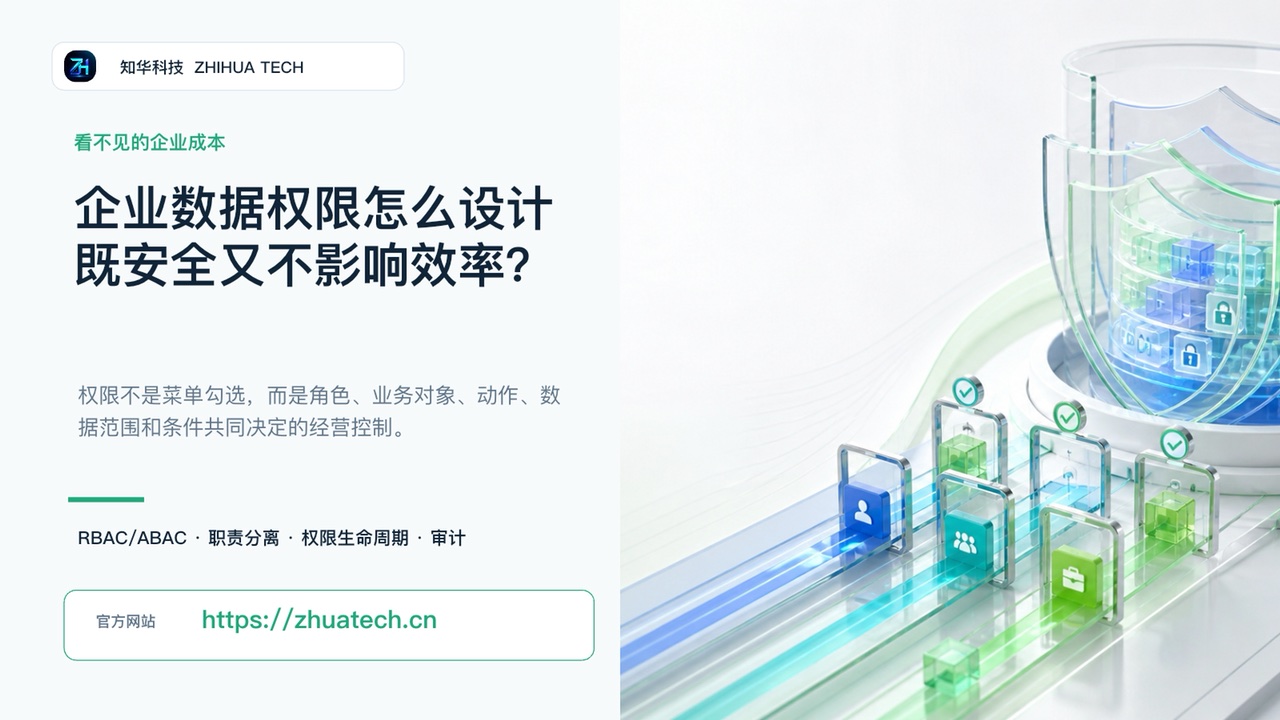
How do enterprise data rights be designed to be safe without compromising the efficiency video cover? 2 min 59 sec
Data, IT and risk management

How the data rights of the enterprise are designed is safe and not efficient.

The design of the authority should not be simply divided into “readable” and “not visible”. Enterprises need to establish minimum competencies in combination with jobs, organization, data coverage, type of operation and state of operations, while retaining the authorization, approval and audit mechanisms. Excessive openness entails risks, and excessive restrictions trigger a downward circuit and the sharing of accounts.
Watch videos and see how to solve them